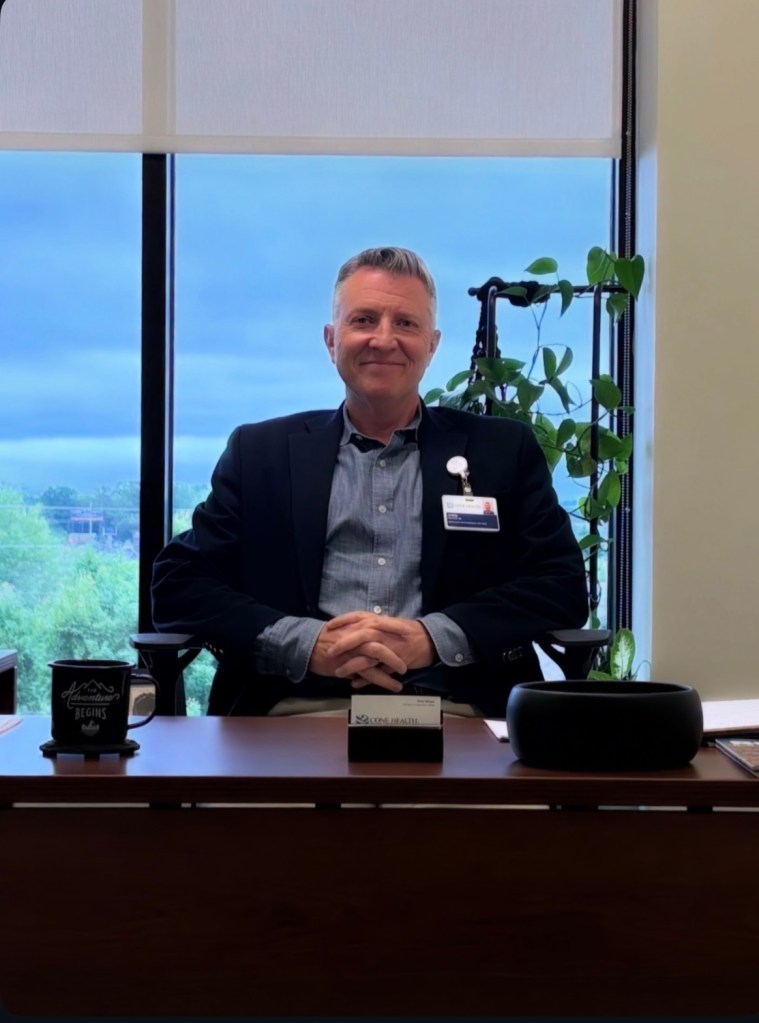

Most people assume I left public service when I retired from local government.
For a while, I thought that too.
Long before I understood local government, healthcare, or public service, I understood that some families lived with choices no family should have to make.
Growing up, money wasn’t often tight. It was simply tight. My brother faced ongoing medical challenges that required surgeries, doctor’s appointments, and specialized care. As a child, I didn’t understand insurance, reimbursement, or the complexities of our healthcare system. What I did understand was that every medical need came with difficult decisions. Sometimes those decisions meant balancing healthcare with groceries, rent, utilities, or other basic necessities. I learned early that access to healthcare wasn’t simply about whether a doctor existed. It was also about whether a family could realistically afford to receive the care they needed.
Looking back, I realize those experiences shaped my understanding of service long before I ever thought about a career.
They instilled in me a desire to help others, which ultimately led me to local government. For more than three decades, I had the privilege of serving alongside remarkable people who dedicated themselves to improving the quality of life in our community. Whether we were building parks, responding to emergencies, strengthening neighborhoods, attracting new jobs, supporting economic development, or planning for the future, the mission was always the same.
Make life a little better for someone else.
When I retired from local government, I wasn’t looking for just another job.
I was looking for another opportunity to serve.
That search led me to Cone Health.
If I’m honest, I expected healthcare to be completely different from everything I had known.
Walking into Cone Health was both exhilarating and intimidating. Overnight, I went from a career where I understood nearly every nuance of local government to an organization with its own language, specialties, and complexities. Every meeting introduced a new acronym. Every conversation revealed another service I never knew existed. After more than thirty years of experience, I once again found myself becoming the student.
Yet the deeper I immersed myself, the more something unexpected happened.
Healthcare wasn’t as different from local government as I had imagined.
I wasn’t learning a new mission.
I was learning a new profession.
Both exist to serve people. Both wrestle daily with limited resources and unlimited needs. Both ask how they can make the greatest difference for the people who depend on them. Most importantly, both are filled with people who quietly dedicate themselves to helping others, rarely seeking recognition and often doing their best work when no one is watching.
I recognized those people immediately.
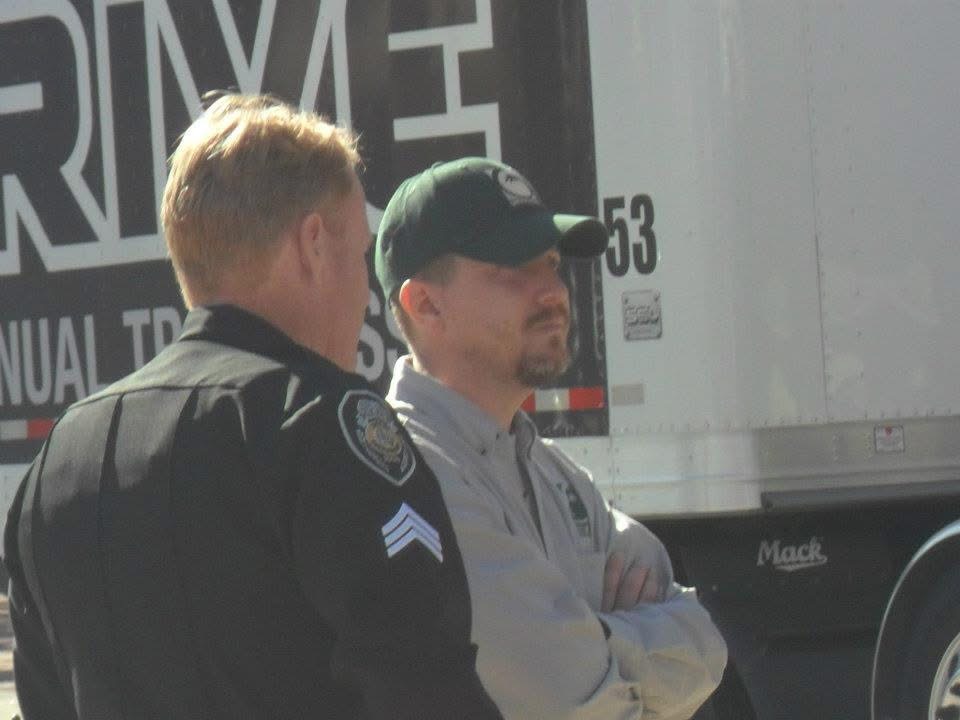
They were the same people I had worked beside during hurricanes, ice storms, and tornadoes. The planners who spent years preparing projects that would never bear their names. The firefighters, police officers, parks and recreation professionals, engineers, sanitation workers, and countless others who simply showed up because someone needed them.
At Cone Health, I found physicians, nurses, therapists, technicians, environmental services staff, researchers, administrators, volunteers, and countless support professionals carrying that same spirit.
Different uniforms.
The same mission.
Long before I joined Cone Health, I had opportunities to work alongside the organization while serving the City of Greensboro. I remember presentations where leaders openly discussed difficult realities. We learned that life expectancy could vary dramatically depending on which neighborhood someone called home. We talked about barriers that prevented people from receiving care and the factors that influenced health long before anyone walked into a hospital or physician’s office.
Those conversations stayed with me.
There was a phrase I kept hearing.
Value based care.
Like many people outside healthcare, I assumed it was simply another healthcare term. The more I learned, the more I realized the focus was different.
It wasn’t simply about treating illness.
It was about improving health.
That approach goes well beyond a doctor’s visit. It means coordinating care so people are not left to navigate the healthcare system alone. It means seeing the whole person, closing gaps in care, and helping people achieve better health.
That way of thinking felt remarkably familiar.
Throughout my career in local government, we understood that quality of life wasn’t determined by a single department. It was shaped by safe neighborhoods, quality housing, parks, recreation, transportation, education, employment, and countless other factors that influenced daily life. Improving a community meant looking beyond the immediate problem and addressing the conditions that created it.
What surprised me was how naturally those same ideas extended into healthcare.
Better health is influenced by where people live, learn, work, and gather. That is why partnerships with local governments, schools, parks, nonprofits, faith communities, businesses, and many others matter so much. They each play a role in creating healthier communities.
As I learned more about Cone Health and its relationship with Risant Health, I realized there was a philosophy behind much of what I was seeing every day. The focus was on improving health, not simply treating illness. Better outcomes for patients ultimately become better health for communities.
That wasn’t a departure from what I had spent my career doing.
It was a continuation of it.
Today, I have the privilege of working with both my former and current colleagues. On any given day, I may be meeting with city managers, county commissioners, planners, parks and recreation professionals, public safety leaders, school officials, nonprofit organizations, and business leaders. Later that same day, I may be sitting with physicians, nurses, therapists, researchers, and healthcare administrators.
What strikes me is how similar the conversations have become.
We are all asking many of the same questions.
How do we improve lives?
How do we remove barriers?
How do we make the greatest difference with the resources we have?
How do we leave our communities better than we found them?
There was a time when I viewed healthcare and local government as somewhat separate worlds. Today, I see them as partners. Local government creates many of the conditions that allow people to live healthy lives. Healthcare helps people stay healthy and restores health when life takes an unexpected turn. Neither succeeds alone. Strong communities require both. Along the way, they depend on schools, businesses, nonprofits, faith communities, and countless others who share the responsibility of improving the lives of our neighbors.
Caring for a community takes the whole community.
Looking back, I realize I didn’t leave public service by joining healthcare.
I simply found another place to practice it.
My childhood taught me that health can shape every part of a family’s life.
My years in local government taught me that communities become stronger when people work together in service of others.
My time at Cone Health has reminded me those lessons were never separate.
They have always been part of the same mission.
Helping people live healthier lives.
Helping communities become stronger.
Helping others when they need us most.
Different uniforms.
The same mission.